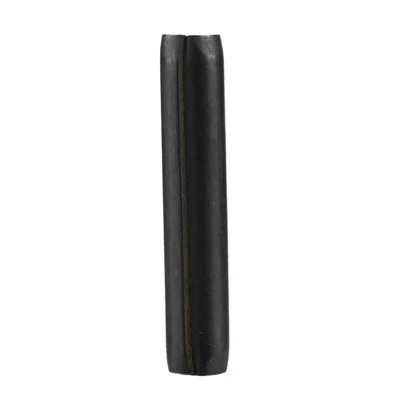
Coiled pins are designed based on the concept of helical springs. The elasticity of the coiled pin allows it to be pressed into a hole and retain its elasticity after installation.
Without elasticity, the load on the pin would be transmitted to the area around the hole. Typically, because the hole is more flexible than the pin, this would cause the hole to stretch or enlarge, loosening the fit between the hole and pin, increasing the probability of impact and hole damage, inevitably leading to premature component failure.
If applied properly, the elasticity of the coiled pin can buffer vibration and impact, thus preventing hole damage and maximizing product lifespan. The direction of force does not affect the elasticity and shear strength of the coiled pin.
The pin contracts from the outer ring to the inner ring. When pressure is applied and released, such as after vibration or impact, the pin's contraction and extension are simultaneous. Excessive load will cause the pin to contract into a solid shape, and further force will lead to shear failure. Under correct application, this should not occur.