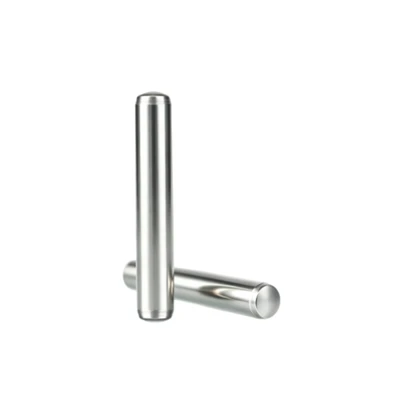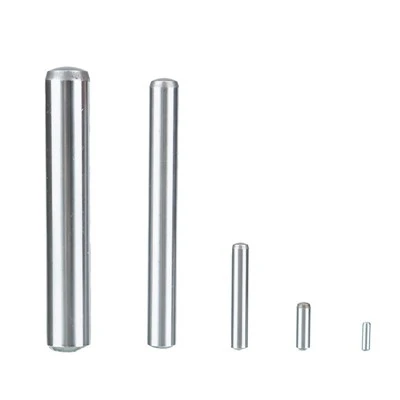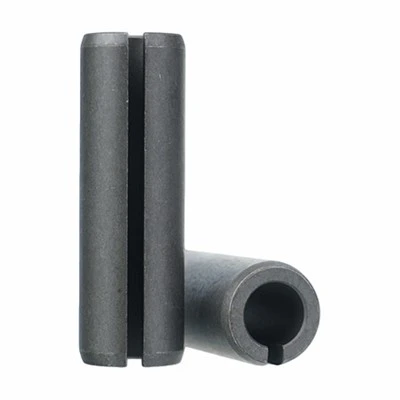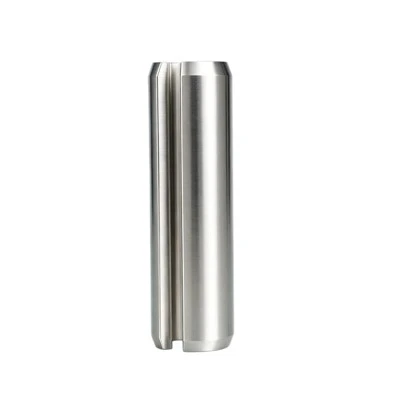
Pins serve multiple functions, including positioning, connecting, locking, and even disassembling. Besides basic cylindrical and tapered pins, there are also slotted pins, cotter pins, pivot pins, safety pins, and more, making them widely used in everyday life.
What are some common pin types? Introduction to pin types.
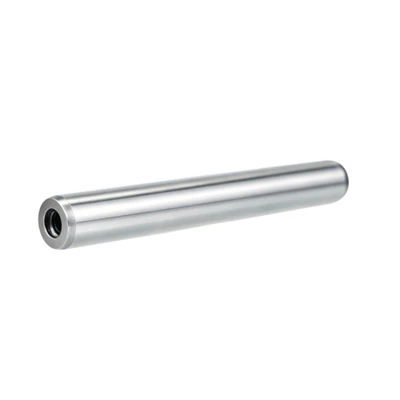
In machinery, pins are primarily used for assembly positioning and can also be used for connection, release, and overload shearing connections in safety devices. Pin types include: cylindrical pins, tapered pins, pins with holes, cotter pins, and safety pins.
What are the classifications of pins?
The basic forms of pins are cylindrical pins and tapered pins. Cylindrical pins are fixed in the pin hole with a slight interference fit. Repeated assembly and disassembly will reduce positioning accuracy. Tapered pins have a 1:50 taper, are self-locking, and are fixed in the pin hole by the pressure of the tapered surface. They offer high positioning accuracy, are easy to install, and can be assembled and disassembled multiple times.
What should be considered when selecting pins?
The type of pin should be selected according to its working requirements. The diameter of the connecting pin can be determined empirically based on the structural characteristics of the connection, with strength checks performed if necessary. The diameter of the locating pin can be determined according to the structure. The length of the pin within each connecting component is approximately 1 to 2 times its diameter.
What are some standard pin types?
Pin types include: tapered pins, internally threaded tapered pins, cylindrical pins, internally threaded cylindrical pins, open-end tapered pins, threaded cylindrical pins, flexible cylindrical pins, straight groove pins, light-duty pins, pins with holes, threaded tapered pins, cotter pins, etc.