
What Are Dowel Pins Used For in Mechanical Assembly?
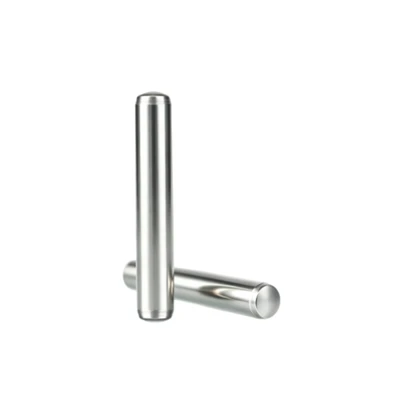
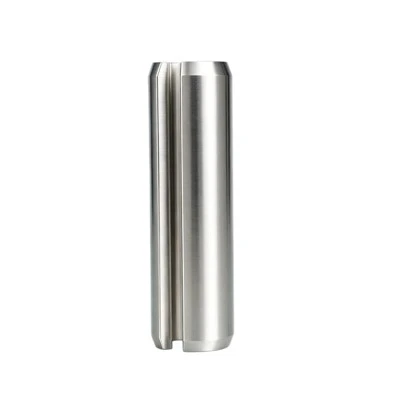
A dowel pin is a cylindrical metal pin used in mechanical assemblies to fix the relative positions of two or more components. In most industrial structures, it is installed in a pre-machined hole to control the alignment of the parts being joined, while bolts are used to fasten the components together in the vertical direction. This division of function allows the assembly to maintain positional accuracy while ensuring structural tightness.
In typical engineering drawings, dowel pins are used as reference points. Once installed, they prevent parts from shifting during vibration, machining, or long-term mechanical load.
Basic Structure and Material Selection
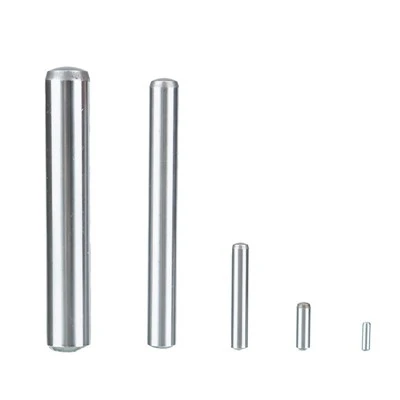
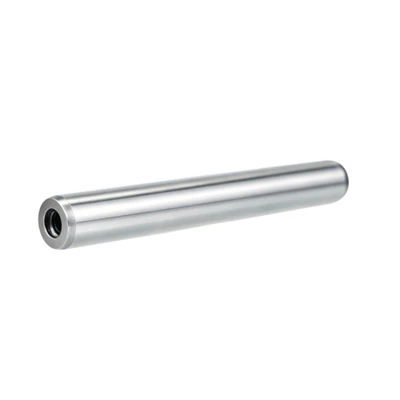
A standard industrial dowel pin is a straight cylinder with a controlled diameter, usually ranging from 2 mm to 25 mm, depending on equipment size. The pin surface is smooth and ground to fit tightly into a matching hole.
Common materials include:
Carbon steel for general mechanical equipment
Bearing steel (high carbon alloy steel) for wear resistance under repeated load
Stainless steel (304 / 316) for humid or corrosive environments
In many industrial applications, steel pins are heat treated to improve hardness. After treatment, the surface becomes more resistant to friction damage when parts are repeatedly assembled and disassembled.
Surface finishing may include black oxide or zinc coating to reduce rust in storage and operation environments.
How Dowel Pins Work in Mechanical Assembly
The working principle of a dowel pin is based on tight fitting between the pin and the hole wall. During installation, the pin is pressed into a hole that is slightly smaller or equal in size, creating friction contact along the full length of the pin.
In a mechanical assembly system:
Bolts apply tightening force (keep parts pressed together)
Dowel pins control position (stop sideways movement)
The hole structure defines alignment direction
This means the dowel pin does not carry rotation or tightening force. Instead, it locks the geometry of the assembly so that components return to the same position every time they are reassembled.
In vibrating machines or rotating equipment, this function is important because bolt preload alone can slowly shift under repeated stress.
Use in Mold and Tooling Systems
In mold manufacturing, dowel pins are installed between mold plates such as cavity plates, core plates, and ejector plates. These parts must close and open repeatedly with exact alignment.
During injection molding:
Temperature usually ranges from 60°C to 120°C
Mold closes under high clamping force
Cycle repeats thousands to millions of times
Dowel pins ensure that when the mold closes, both halves meet in the same position every cycle. Without proper alignment, molten plastic can leak into gaps, creating defects such as burrs or uneven product edges.
In stamping dies, dowel pins also help keep punch and die sections aligned so that cutting edges match correctly under high pressure.
Application in Automotive Systems
In automotive engines and transmissions, dowel pins are used to align major components such as:
- Engine block and cylinder head
- Gearbox housing sections
- Bearing cap and crankshaft supports
- These components operate under:
- Temperature changes from -40°C to over 120°C
- Continuous vibration during engine operation
- High torque load during acceleration and braking
Dowel pins ensure that even when bolts are tightened or loosened during maintenance, the original alignment between parts is restored when reassembled.
Without Dowel Pins, slight misalignment can lead to uneven load distribution on the fastening bolts, accelerated wear, or seal failure..
Use in Machinery and Fixture Systems
In industrial machines and production fixtures, dowel pins are used as positioning references for assembly and processing.
For example, in a CNC fixture:
Two fixed pins define the X-Y position of a workpiece
A third slot or clearance hole allows expansion or adjustment
This structure prevents over-constraining the part while still keeping it in a fixed position during machining.
In production lines, dowel pins are used in welding jigs, robotic positioning plates, and assembly fixtures to ensure parts are placed in the same location every cycle. This improves repeatability and reduces manual alignment time.
Installation Process in Industrial Use
The installation of dowel pins requires a controlled machining process:
The hole is drilled slightly smaller than final size
A reamer is used to create a precise round hole
The hole is cleaned to remove metal chips
The pin is pressed into place using a mechanical or hydraulic press
In certain maintenance environments, slightly heating the surrounding metal (to approximately 100°C) helps reduce installation resistance; upon natural cooling, excellent positioning and locking are achieved.
For parts that need frequent disassembly, taper pins are sometimes used instead of straight pins because they are easier to remove.
Common Problems During Use
In real industrial conditions, dowel pins can fail or lose function due to several reasons:
Repeated vibration causes slight movement between pin and hole
Softer materials like aluminum can wear and enlarge the hole
Excessive force during assembly can deform the hole edge
Corrosion can reduce fit accuracy in humid environments
When the hole becomes oversized, the pin can no longer hold precise alignment, and the assembly may shift during operation.
To reduce these issues, engineers often choose hardened pins or add hardened bushings inside softer materials.
Difference Between Dowel Pins and Other Industrial Pins
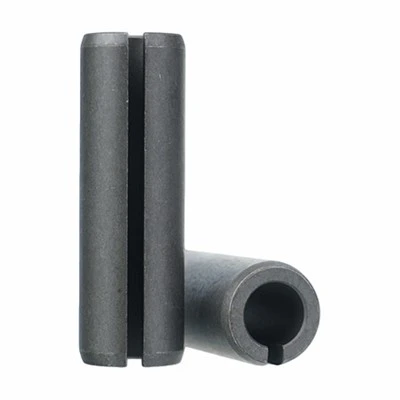
Dowel pins are often confused with spring pins or slotted pins, but their functions are different.
Dowel pins: used for fixed positioning and alignment
Spring pins (slotted/coiled): used for flexible connection and vibration absorption
Circlips and retaining clips: used for axial locking of shafts
Dowel pins are selected when the design requires repeatable positioning accuracy, especially in mold systems, fixtures, and precision assemblies.
OEM Requirements in Industrial Applications
In OEM manufacturing, dowel pins are selected based on engineering drawings rather than general size. Key factors include:
- Hole tolerance and fit type
- Load direction and shear force
- Material compatibility between parts
- Assembly frequency and maintenance cycle
As a dowel pins manufacturer and industrial pins supplier, Anhui Pins supports custom production including:
- Diameter and length adjustment based on drawings
- Material selection for different environments
- Surface treatment for corrosion or wear resistance
- Batch production for OEM mechanical systems
These pins are integrated into machinery, molds, automotive systems, and fixture structures where positional accuracy directly affects final product performance.