
What Is a Compression Limiter?
A compression limiter is a metal sleeve installed inside plastic components to control the compressive force generated during bolt fastening. In plastic assemblies, bolts create axial clamping pressure when tightened. Without a rigid support element, this force is directly transferred to the polymer material, which may cause permanent deformation, stress cracking, or loss of clamp force over time.
A compression limiter creates a controlled load path between the fastener and the assembly structure. The bolt load is transferred through the metal sleeve instead of being concentrated on the surrounding plastic material. This allows plastic components to maintain their original shape while still being securely fastened.
Compression limiters are commonly used in injection-molded housings, automotive plastic parts, electrical enclosures, industrial covers, and composite structures where threaded fastening is required.
Why Plastic Parts Deform During Fastening
Plastic materials behave differently from metals when exposed to continuous compression. Metals generally maintain their shape under normal fastening loads, while polymers can experience creep deformation, where the material slowly changes shape under constant pressure.
During a typical bolted connection:
- The bolt applies axial tightening force.
- The bolt head presses against the plastic surface.
- The plastic around the mounting hole absorbs the load.
- Long-term compression may reduce material thickness.
This deformation can lead to several assembly problems:
- Reduced bolt preload after repeated temperature changes
- Increased gap between connected parts
- Loosened joints under vibration
- Cracking around mounting holes
For example, an injection-molded plastic housing installed on industrial equipment may experience continuous vibration and temperature cycling. Without a compression limiter, the mounting hole area can gradually deform, affecting the connection stability.
How Compression Limiters Transfer Fastening Load
The main function of a compression limiter is to separate clamping force from plastic material strength.
A typical compression limiter consists of:
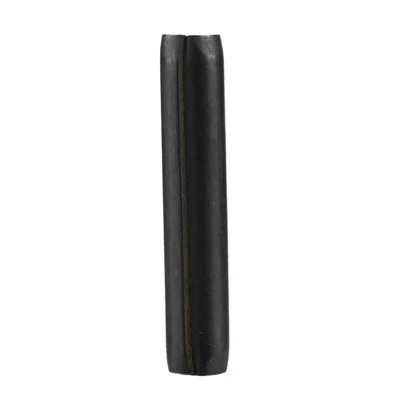
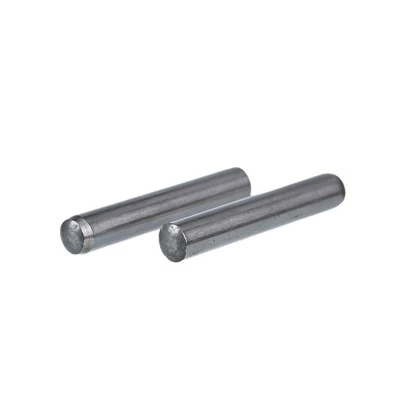
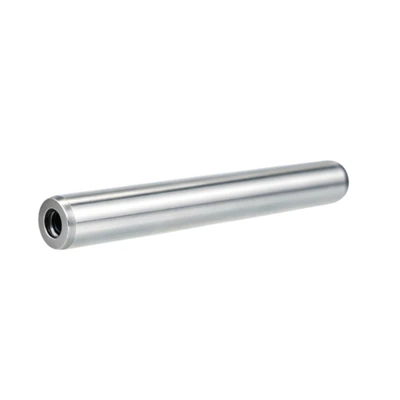
- A hollow cylindrical metal sleeve
- An inner diameter matched to the bolt size
- An outer diameter designed for installation inside the plastic part
- A controlled height that determines compression distance
When the bolt is tightened, the bolt head and nut compress against both ends of the limiter. The metal sleeve carries the majority of the axial load, creating a rigid support column inside the plastic component.
The load transfer path changes from:
Bolt → Plastic Material → Plastic Deformation
to:
Bolt → Compression Limiter → Metal Support Structure
This structure prevents excessive compression around the mounting area.
Materials Used for Compression Limiters
Material selection depends on the application environment, fastening load, and compatibility with the surrounding component.
Carbon Steel Compression Limiters
Carbon steel is commonly used in general industrial assemblies where the component operates in dry environments. It provides sufficient compressive strength for applications such as equipment covers and mechanical housings.
Stainless Steel Compression Limiters
Stainless steel grades such as 304 are selected when corrosion resistance is required. They are commonly used in outdoor equipment, electrical enclosures, and assemblies exposed to humidity.
Aluminum Compression Limiters
Aluminum is used when weight reduction is important. It is applied in lightweight structures where the fastening load is controlled and excessive hardness is not required.
Surface treatments such as zinc plating, passivation, or oxide coating may be applied to improve corrosion resistance and storage stability.
Applications in Automotive Plastic Components
Automotive manufacturers use compression limiters in plastic components where fastening strength and dimensional stability are required.
Typical applications include:
- Engine covers
- Battery housings
- Air intake components
- Interior mounting brackets
- Electronic control unit housings
Automotive components experience temperature changes that may range from approximately -40°C to 120°C depending on location and operating conditions. Plastic materials expand and contract during these cycles, while bolts maintain clamping force.
The compression limiter provides a stable metal interface that reduces stress concentration around fastening points and helps maintain the designed connection between plastic and metal components.
Applications in Electrical Enclosures and Industrial Equipment
Plastic electrical enclosures often require screws for mounting covers, internal brackets, and external accessories. However, repeated tightening during installation or maintenance can damage plastic threads or mounting holes.
Compression limiters solve this problem by providing a metal contact surface inside the plastic structure.
In industrial environments, they are used in:
- Control cabinets
- Sensor housings
- Power equipment covers
- Automation system components
For example, when an enclosure cover is repeatedly removed during maintenance, the limiter prevents the screw tightening force from directly crushing the plastic mounting area.
Injection Molding Integration Process
Compression limiters are commonly integrated during or after plastic molding processes.
Two common methods include:
Insert Molding
The metal limiter is positioned inside the mold before plastic injection. During molding, molten plastic flows around the limiter and locks it into position.
Advantages:
- Strong mechanical connection
- Accurate positioning
- Reduced secondary assembly steps
Press-Fit Installation
The limiter is inserted into a pre-molded hole after the plastic component is produced.
The interference between limiter outer diameter and plastic hole creates retention force.
The correct fit depends on:
- Plastic material type
- Hole tolerance
- Operating temperature
- Required pull-out resistance
Factors Affecting Compression Limiter Performance
The performance of a compression limiter depends on several engineering factors.
A thicker wall provides greater resistance against compression but increases material usage and weight. Engineers select wall thickness according to bolt load requirements.
The limiter length must match the designed compression distance. If it is too short, the plastic may still be compressed. If it is too long, the joint may not achieve sufficient clamping force.
Different polymers have different creep behavior. Materials such as nylon, ABS, and reinforced plastics require different limiter designs.
Incorrect torque can still damage the assembly. Compression limiters prevent excessive plastic compression, but the bolt torque must remain within the design range.
Compression Limiters vs Direct Plastic Fastening
Direct fastening into plastic is suitable for low-load applications where the connection is rarely exposed to vibration or repeated maintenance.
However, when assemblies require:
- Higher bolt torque
- Repeated disassembly
- Continuous vibration
- Long service periods
a compression limiter provides a stronger mechanical support path.
It allows engineers to combine lightweight plastic structures with metal fastening systems without relying on plastic material alone to carry compression loads.
OEM Compression Limiter Manufacturing
For OEM applications, compression limiters are produced according to component drawings and assembly requirements. Key specifications include:
- Inner diameter for bolt compatibility
- Outer diameter for plastic integration
- Length tolerance
- Material selection
- Surface treatment requirements
CHN-PINS provides OEM manufacturing of Compression Limiters, Dowel Pins, Slotted Pins, Spring Pins, Coiled Spring Pins, Washers, and Retaining Rings for industrial assembly applications.
Compression limiters are used where plastic components require controlled fastening force, stable dimensional support, and protection against deformation during long-term mechanical operation.